Seasonal Maintenance: Protecting Your Property and Community Assets Through Winter and Spring
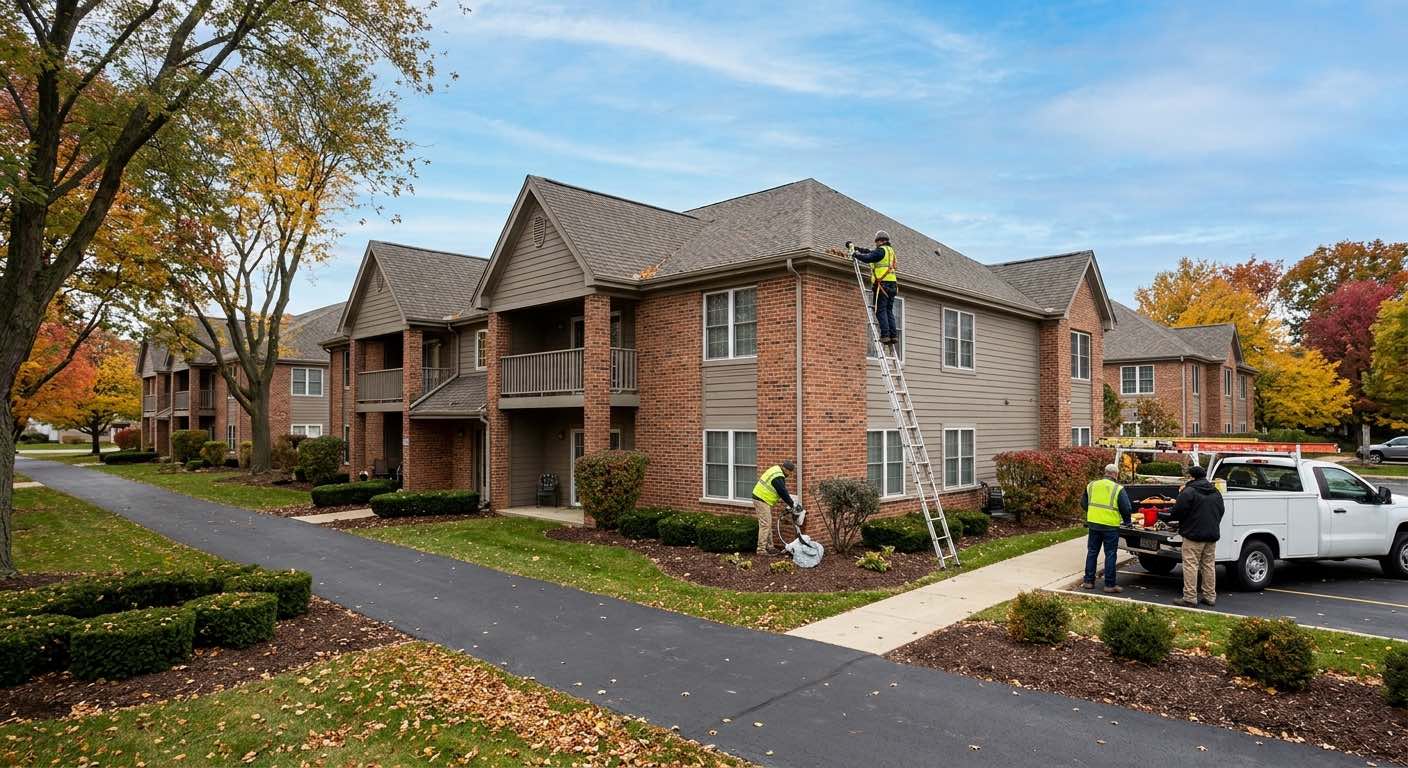
Living in Racine and across Southeastern Wisconsin means experiencing the full intensity of Midwest weather—from heavy lake-effect snow and sub-zero freezes to rapid spring thaws and heavy rains. For community association boards, property managers, and homeowners alike, seasonal maintenance is about far more than just curb appeal; it is a critical strategy for protecting structural integrity, avoiding catastrophic emergency repairs, and managing insurance and lending compliance.
Drawing on industry best practices from community association governance and property risk management, a proactive seasonal maintenance program ensures your property stays resilient year-round.
Phase 1: Winter Readiness (Defense Against Freeze, Load, and Liability)
When temperatures drop across Racine County, minor maintenance oversights can quickly escalate into expensive emergencies. Preventative planning protects both common elements and individual units.
-
Roof and Gutter Preservation: Inspect low-slope and pitched roofs for loose flashing, compromised membranes, or debris that could block drainage. Keeping gutters and scuppers clear prevents ice dams from forming when melting snow refreezes along cold eaves.
-
HVAC and Boiler Optimization: Schedule professional servicing of commercial and shared heating units, make-up air systems, and boilers before the first hard freeze. Replace filters regularly and test emergency shut-offs.
-
Pipe Freeze Prevention: Ensure heat is maintained in common areas, utility rooms, and unheated spaces. Educate residents on keeping thermostats set to safe baseline levels (at least 55°F) and opening cabinet doors along exterior walls during extreme cold snaps.
-
Parking Lot & Slip-and-Fall Mitigation: Secure reliable snow-removal and salting vendors early before local rosters fill up. Inspect exterior concrete flatwork and walkways for tripping hazards or pooling water that can freeze and expand into major cracks.
Phase 2: Spring Transition (Damage Assessment, Drainage, and Restoration)
Once winter weather breaks, spring brings heavy rain, saturated soils, and rapid temperature swings. A systematic spring walkthrough helps catch minor winter wear before it turns into structural damage.
-
Post-Winter Roof and Siding Audit: Check for membrane tears, missing shingles, or siding displacement caused by winter winds and ice sheets.
-
Foundation & Drainage Checks: Inspect foundation walls for hairline cracks or moisture intrusion. Verify that exterior grading and window wells slope away from buildings to keep melting snow and spring rains out of lower levels and basements.
-
Parking Lot Sweeping & Maintenance: Clear away accumulated winter salt, sand, and cinders from parking bays and walkways. Assess asphalt for freeze-thaw cracking and schedule patch-work or line-striping.
-
Landscaping and Irrigation Startup: Clear dead winter overgrowth away from foundations, fire egress paths, and common-area lighting. Test irrigation backflow preventers and sprinkler zones before the dry summer months arrive.
Aligning Maintenance with Your Reserve Study and Insurance Goals
Modern community association management requires looking past short-term fixes. Aligning your seasonal maintenance schedule with your community’s Reserve Study ensures that major capital components—such as roofs, pavement, and siding—receive proper mid-life servicing to maximize their useful life.
Furthermore, as insurance markets tighten and lenders enforce stricter oversight regarding building health and reserve funding, maintaining detailed records of your seasonal inspections is vital. Documenting your preventative maintenance steps demonstrates proactive risk management to insurance brokers and protects property values across the community.
Clear Communication Keeps Communities Connected
Operational success relies heavily on communication. Whether notifying residents about upcoming parking lot sweeping, scheduled HVAC inspections, or roof work, sharing timelines early prevents friction and builds trust.
How Washington Properties, Inc. Can Help
Whether you are a current resident or a board member looking to elevate your community's operations, Washington Properties, Inc. is here to support your property management needs across Southeastern Wisconsin:
-
For Current Residents & Homeowners: Need to report a maintenance issue in your community? Log into the WPI Owner/Tenant Portal to submit routine service requests, view your account, or check association guidelines. For active property emergencies outside of regular business hours, contact our 24/7 emergency line at (262) 631-1129.
-
For Prospective Association Boards: Looking for a proactive management partner for your Racine County community? From reserve study alignment to vendor coordination and seamless financial reporting, Washington Properties, Inc. has kept local condominium and homeowner associations running smoothly since 1975. Contact our team today or call (262) 886-1333 to discuss how we can elevate your community's maintenance and governance.